Easy Chimichurri Recipe: Simple Chimichurri Sauce Guide
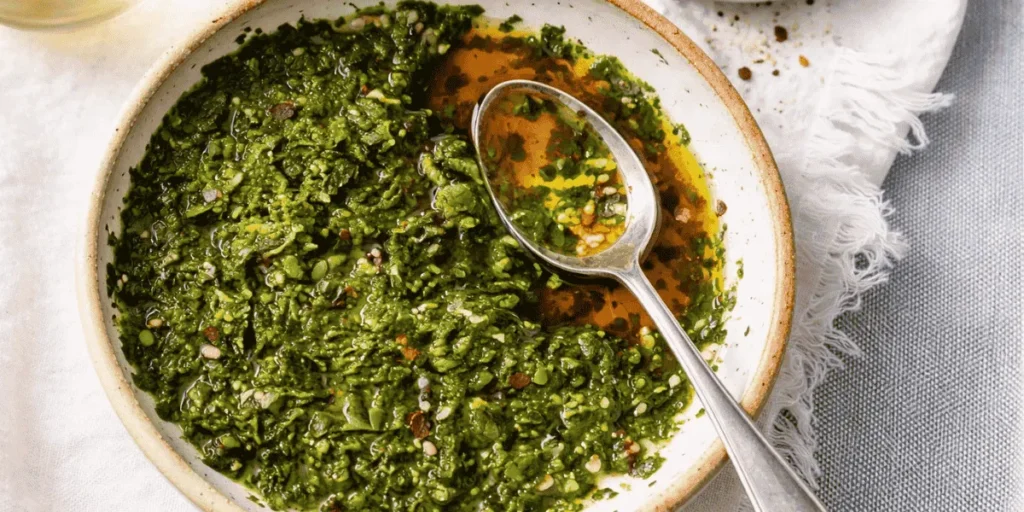
If you’re looking for a quick, flavorful sauce to elevate your grilled meats or vegetables, then this easy chimichurri recipe is for you. Chimichurri is a tangy and herb-packed sauce that originated in Argentina, and it’s incredibly simple to make with just a few fresh ingredients. Whether you’re serving it alongside steak, chicken, or even using it as a marinade, chimichurri sauce brings a burst of vibrant flavors that will make any dish stand out. In this guide, I’ll walk you through how to make this delicious chimichurri sauce in no time, with easy-to-follow steps and tips.
What Is Chimichurri?
When I first came across chimichurri, I was curious about what made this simple green sauce so popular, especially in Argentina. It’s not just a condiment but a cornerstone of Argentine cuisine, often paired with grilled meats during an asado (barbecue). This tangy and vibrant sauce has a rich history and is known for its fresh, herbaceous flavors, making it an essential accompaniment to steaks and other grilled dishes.Chimichurri is typically made from fresh parsley, garlic, olive oil, vinegar, and seasonings like oregano and red pepper flakes. What really makes chimichurri stand out is its balance of acidic and herbal flavors, which complement the rich, smoky taste of grilled meats.
Origin of Chimichurri Sauce
The origin of chimichurri sauce is a subject of debate, but most agree that it has its roots in Argentina. It’s thought to have been influenced by European immigrants, particularly the Spanish and Italians, who introduced olive oil, garlic, and vinegar-based sauces to South America. While Argentina is known for its beef, chimichurri became the perfect accompaniment for the famous Argentine asado.
Some sources also suggest that the name “chimichurri” may have come from the Basque word “tximitxurri,” which means “a mixture of things” or “a mess.” This aligns with the sauce’s simple yet flavorful combination of fresh ingredients.
Traditional Argentinian Chimichurri
The traditional Argentinian chimichurri is fairly simple but packed with flavor. It typically includes parsley, garlic, red wine vinegar, olive oil, and a dash of oregano and red pepper flakes. The richness of olive oil balances the acidity from the vinegar, while the fresh herbs provide a clean, grassy flavor. This recipe has been passed down through generations and remains a staple for Argentine barbecues.
There’s also a more rustic approach to chimichurri, where ingredients are chopped by hand to ensure a chunkier texture. It’s usually served fresh, but many people allow it to sit for a little while to let the flavors meld.
What Is Chimichurri Made Of?
I was initially surprised by how few ingredients go into chimichurri. It might seem like a simple sauce, but the combination of fresh herbs and pantry staples creates something truly special. Let’s take a deeper dive into the essential ingredients that make chimichurri such a crowd-pleaser.
Fresh Ingredients Used in Chimichurri
The base of chimichurri is always fresh parsley. I’ve found that flat-leaf parsley works best, as it provides a bright, fresh flavor. It’s a key element in the sauce’s vibrant green color and herbal profile. While some variations use cilantro or mint, parsley is the traditional and most common herb.Along with parsley, garlic adds the perfect amount of sharpness and aroma to the sauce. The more garlic, the stronger the flavor, which is why I tend to use several cloves to really bring the sauce to life.
Herbs and Spices in Chimichurri Sauce
When it comes to herbs and spices, oregano and red pepper flakes are non-negotiable in a classic chimichurri. I’ve always loved how the oregano brings a subtle earthiness to the sauce, while the red pepper flakes provide just the right amount of heat. Depending on how spicy you like it, you can adjust the amount of chili flakes.
Some versions of chimichurri also include bay leaves or thyme, but these aren’t traditional to the Argentine recipe. I’ve experimented with these variations, and they give the sauce an interesting twist, but for the most authentic flavor, I recommend sticking to the basics: oregano and red pepper flakes.
Chimichurri Recipe Ingredients
If you’re wondering how to make chimichurri yourself, the ingredients are straightforward, and most are items I already had in my kitchen. You might already have the basics, but let’s break them down to ensure you’re ready for a perfect batch.
Fresh Parsley
As I mentioned earlier, fresh parsley is a must. The freshness really shines through in the final product. I always opt for flat-leaf parsley over curly parsley since it provides a cleaner, more vibrant flavor. I finely chop it by hand, but if you’re in a rush, a food processor works well too.
Garlic
Next up is garlic. I typically use several cloves—don’t skimp on this ingredient! It’s what gives chimichurri that bold, aromatic punch. Mince it finely or use a garlic press to make sure the flavor is well-distributed throughout the sauce.
Olive Oil
For the olive oil, it’s important to use good-quality extra virgin olive oil. The oil acts as the base for the sauce and helps emulsify the vinegar and herbs. The richness of the olive oil balances the acidity of the vinegar, creating a well-rounded flavor. I use about a cup, but you can adjust the oil to your liking.
Red Wine Vinegar
I’ve always used red wine vinegar in chimichurri because of its mild, slightly fruity acidity. It’s tangy but not overpowering, making it the perfect complement to the oil and herbs. I usually add about half a cup, but you can adjust based on how tangy you want the sauce.
Oregano
For the oregano, I typically use dried oregano, although some people prefer fresh oregano. The dried version offers a more concentrated flavor that works well with the other ingredients. Just a teaspoon or two will do the trick.
Red Pepper Flakes
The red pepper flakes give the chimichurri its signature heat. I like to use a generous pinch, but you can adjust to your heat preference. If you want a milder version, you can use just a dash or omit them entirely, but the heat is what makes chimichurri so exciting!
Salt and Black Pepper
Finally, don’t forget the salt and black pepper. These seasonings are essential for balancing the flavors and bringing everything together. I usually add about a teaspoon of salt and freshly ground black pepper to taste.
How to Make Chimichurri Sauce (Step-by-Step)
Making chimichurri is incredibly simple. It’s one of those recipes where the sum is greater than its parts. I’ll walk you through the steps, and you’ll see how easy it is to whip up this flavorful sauce.
Step 1 : Chop the Herbs
Start by finely chopping the parsley and garlic. I prefer chopping them by hand for a chunkier texture, but if you want a smoother sauce, feel free to use a food processor. The key here is to chop them finely enough so they release their oils but still have some texture.
Step 2 : Mix the Ingredients
Once the parsley and garlic are chopped, place them in a bowl. Add the oregano, red pepper flakes, salt, and black pepper. Give everything a good mix to evenly distribute the spices and herbs.
Step 3 : Add Oil and Vinegar
Next, pour in the olive oil and red wine vinegar. Stir everything well to combine. The vinegar will mix with the oil, creating that signature emulsion that gives chimichurri its smooth texture. If you prefer a thicker sauce, you can add less oil.
Step 4 : Rest the Sauce for Flavor
Now comes the hardest part, waiting! I always let the chimichurri sit for at least 10-15 minutes before serving. This gives the flavors time to meld together and develop fully. You can even make it ahead of time and refrigerate it for a day or two to let the flavors deepen.
Tips for the Best Chimichurri Recipe
While chimichurri is simple, there are a few key tips I’ve learned over the years that make a big difference in getting it just right. With a few tweaks, you can elevate your chimichurri and ensure it has the perfect balance of flavors every time.
Use Fresh Herbs
The quality of the herbs you use is crucial. Fresh parsley is a must for a vibrant chimichurri, and I can’t stress enough how much it improves the flavor. I’ve made the mistake of using old, wilting parsley, and it just doesn’t compare to fresh, crisp parsley. It’s the foundation of the sauce, so fresh herbs are non-negotiable.
Balance Oil and Vinegar
Getting the ratio of olive oil to vinegar right is key to achieving that ideal flavor. I typically use a 2:1 ratio of oil to vinegar, but depending on your preference, you might like more vinegar for extra tang. I remember the first time I made it, I went a little heavy on the vinegar, and it was too sharp. So, keep tasting as you go and find that perfect balance.
Let the Sauce Rest Before Serving
Patience is key. Letting the chimichurri sit for at least 10-15 minutes before serving helps the flavors meld together. I often make chimichurri ahead of time and let it sit in the fridge for a day or two. I’ve noticed that the longer it sits, the more the garlic and herbs infuse into the oil and vinegar, making the sauce even more flavorful.
Chimichurri Variations
Chimichurri is incredibly versatile. While the classic version is delicious on its own, I’ve enjoyed experimenting with different variations. These tweaks allow you to create unique flavors based on your personal preferences or the dish you’re serving it with.
Green Chimichurri (Traditional)
The green chimichurri is the traditional version, which I absolutely love. It’s made with parsley, garlic, olive oil, and vinegar, and it’s the version I typically make. The fresh, bright green color and zesty flavor work wonderfully with grilled meats, especially steaks and ribs. It’s classic, and it’s the version most people are familiar with.
Red Chimichurri (Chimichurri Rojo)
While green chimichurri is the most popular, red chimichurri is a delicious alternative that adds more depth and sweetness. Red chimichurri, or chimichurri rojo, incorporates tomatoes, red bell peppers, and sometimes even paprika. The result is a slightly sweeter, earthier version of the sauce with a deeper red color. I love using it when I make grilled chicken or vegetarian dishes.
Spicy Chimichurri
For those who like a little extra heat, spicy chimichurri is the way to go. I’ve added fresh jalapeños or more red pepper flakes to the traditional recipe, giving the sauce an extra kick. It’s a fantastic option if you’re serving spicy meats or tacos, where the heat can really complement the flavors. Just be careful not to go overboard with the chili, as it can overpower the other flavors.
Uses for Chimichurri Sauce
Chimichurri isn’t just for grilled meats—it’s a versatile sauce that I’ve used in many different ways. From being a marinade to a topping for salads and tacos, it adds incredible flavor to a wide range of dishes.
Chimichurri for Steak
Of course, chimichurri is best known for its pairing with steak. I can’t think of a better combination than a perfectly grilled steak topped with a spoonful of fresh chimichurri. The richness of the steak combined with the tangy, herbaceous chimichurri is a match made in heaven. I’ve used it with ribeye, sirloin, and even filet mignon, and it’s always a hit.
Chimichurri for Grilled Chicken
While steak is the classic pairing, grilled chicken and chimichurri are a close second. The bright, fresh flavors of chimichurri complement the mild taste of grilled chicken perfectly. I love using chimichurri as a marinade for chicken before grilling it. It infuses the meat with flavor, and the result is always juicy and tender.
Chimichurri for Seafood
Chimichurri is also great with seafood, like grilled shrimp, fish, and scallops. I’ve used it on grilled salmon and shrimp skewers, and it works wonders with the natural flavors of the seafood. The acidity of the vinegar and the freshness of the herbs create a perfect balance with the richness of the fish. It’s a delicious alternative to lemon or garlic butter.
Chimichurri as a Marinade or Dip
Chimichurri also doubles as a marinade or dip. I’ve marinated beef, pork, and chicken in chimichurri before grilling, and it always results in extra flavorful meat. You can also serve chimichurri as a dip for bread or vegetables. I often dip warm, crusty bread into chimichurri for an easy, flavorful appetizer.
How to Store Chimichurri
I always make a big batch of chimichurri because I know I’ll be using it for various meals throughout the week. Luckily, chimichurri stores well, and there are a few simple steps I follow to ensure it stays fresh.
Refrigeration Tips
To keep chimichurri fresh, I always store it in an airtight container in the fridge. The sauce lasts up to a week when properly stored. I also recommend giving it a quick stir before using it, as the oil may separate slightly after sitting in the fridge.
Shelf Life of Chimichurri Sauce
As long as it’s stored correctly, chimichurri can last for up to a week in the refrigerator. However, I’ve found that it tastes best within the first 3-4 days when the herbs are still fresh and vibrant. After that, it starts losing some of its punch, but it’s still good for up to a week.
Can You Freeze Chimichurri Sauce?
I’ve always wondered if it’s possible to freeze chimichurri, especially since I tend to make large batches. I’ve had success freezing chimichurri, and it’s a great way to keep it on hand for longer periods. Freezing doesn’t drastically affect the flavor, and it’s convenient when I want to use it later without having to make a fresh batch.
Nutrition Information of Chimichurri Sauce
While chimichurri is primarily a condiment, it does have some nutritional value. It’s a healthy option compared to many other sauces, thanks to the fresh herbs, olive oil, and vinegar. I love that it’s low in calories, high in healthy fats from the olive oil, and packed with antioxidants from the herbs. It’s also naturally gluten-free and vegan, making it a versatile choice for many diets.
Chimichurri Recipe Card
Now that we’ve covered the ingredients and process for making chimichurri, here’s a handy recipe card to make things easier. It includes everything you need to make the perfect batch of chimichurri, whether you’re grilling meats or experimenting with new dishes.
Ingredients
- 1 cup fresh parsley, finely chopped
- 4 cloves garlic, minced
- ½ cup olive oil
- ¼ cup red wine vinegar
- 1 tablespoon oregano
- ½ teaspoon red pepper flakes (adjust to taste)
- 1 teaspoon salt
- ½ teaspoon black pepper
Instructions
- Chop the parsley and garlic finely or use a food processor for a smoother texture.
- In a medium bowl, combine the chopped parsley, minced garlic, oregano, red pepper flakes, salt, and black pepper.
- Add the olive oil and red wine vinegar to the bowl. Stir well until all ingredients are fully combined.
- Let the chimichurri sit for at least 15 minutes to allow the flavors to meld. Serve with grilled meats, vegetables, or as a marinade.
Notes
- Chimichurri tastes best when it’s allowed to rest for a while. I recommend preparing it ahead of time, even the night before, for maximum flavor.
- Adjust the red pepper flakes based on your heat preference. If you like it spicier, add more chili.
- If you prefer a smoother consistency, you can blend the ingredients in a food processor.
Video
For a more visual guide on how to make chimichurri, check out the video tutorial below:
Chimichurri Recipe FAQs
Can I Make Chimichurri Ahead of Time?
Yes, chimichurri can be made ahead of time. In fact, it often tastes better the next day once the flavors have had time to develop. I like to make a big batch and let it sit in the fridge for 1-2 days before using it.
Why Is My Chimichurri Bitter?
If your chimichurri is too bitter, it might be due to too much garlic or too much vinegar. I recommend adjusting the garlic to your liking and balancing the vinegar with a bit more olive oil to tone down the acidity.
Can I Use Dried Herbs Instead of Fresh?
While fresh herbs are preferred for the best flavor, you can use dried herbs in a pinch. However, dried herbs tend to have a stronger, more concentrated flavor, so you’ll need to use less. For example, if a recipe calls for 1 tablespoon of fresh oregano, you can use 1 teaspoon of dried oregano.
How Long Does Chimichurri Last?
Chimichurri will last for up to a week in the refrigerator when stored in an airtight container. After that, the freshness of the herbs may begin to fade. For best flavor, use it within the first 3-4 days.